Environmental Injustice in New Orleans & Southern Louisiana
A look beyond the surface of a city built on resilience

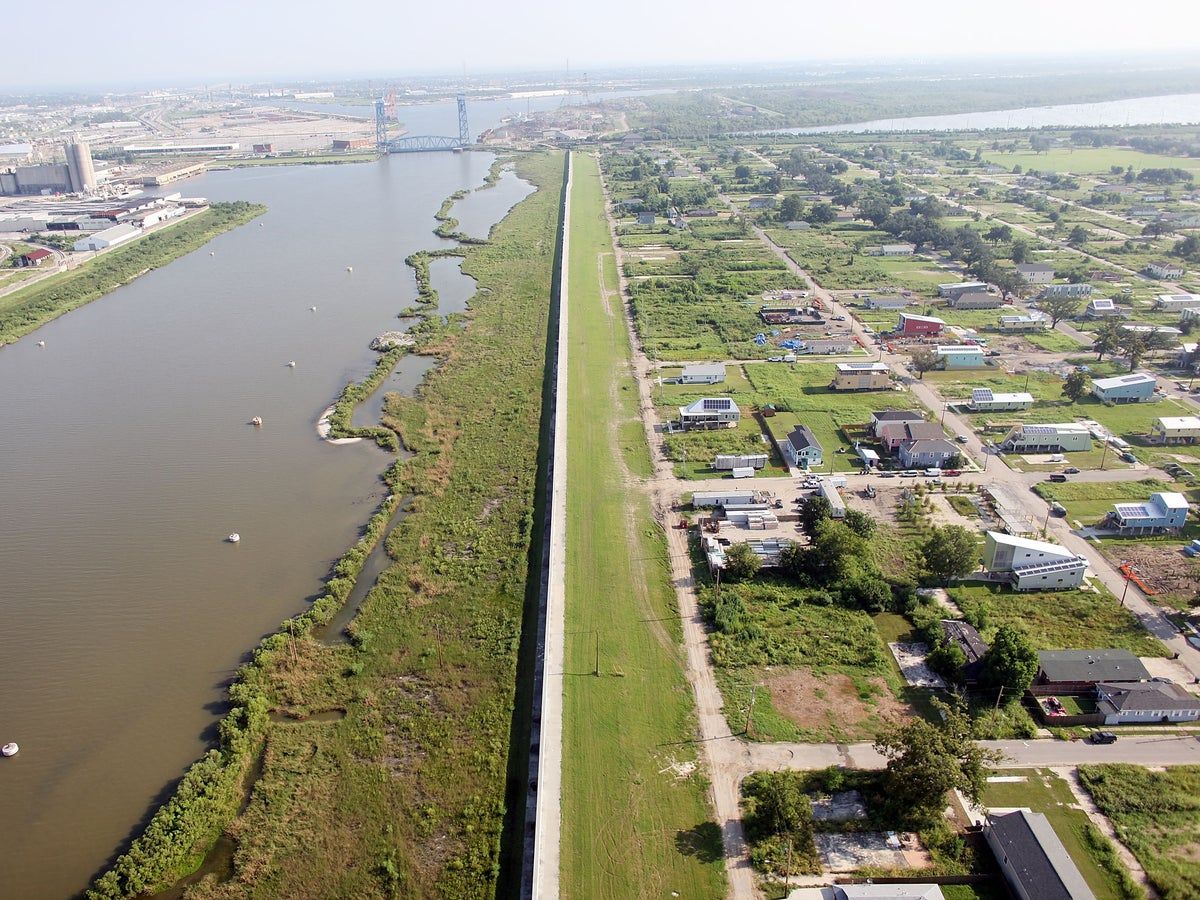
I’ve been working on this for a while. I realized that it’s time that I talk about the environmental injustice happening in New Orleans. New Orleans is a resilient city — in that resilience, there’s a lot of pain and history. Pain and history that I believe doesn’t get talked about enough. Tourists go and they see the city for what it’s marketed as — partying, parades, great food, great people, beautiful energy, beautiful history. But there’s something that’s always been in the backdrop of the city of New Orleans, too. That very thing is injustice. I could go on all day about it, but today we’re focusing on ONE topic.
It’s so easy to fall in love with New Orleans from the outside looking in. But the more time I’ve spent really paying attention to this city, the more I’ve realized there’s another side to it that doesn’t get talked about enough.
We talk about disasters in New Orleans like they just happen because that’s just what happens when you’re located that close to the Gulf. Like it’s just the cost of living somewhere surrounded by water. But the truth is, the storms might be natural — what happens after them usually isn’t. The damage, who gets hit the hardest, who recovers and who doesn’t… that part is shaped by decisions that were made by people and not by nature.
That’s where environmental injustice comes in. At its core, it’s about placement — where people are made to live, what they’re exposed to, and how much protection they actually have in the city. In New Orleans, that hasn’t necessarily been random. For a long time, Black communities and lower-income families have been pushed into areas that are more vulnerable — whether that’s flood prone land, neighborhoods near industrial sites, or places where infrastructure hasn’t been maintained the way it should be.
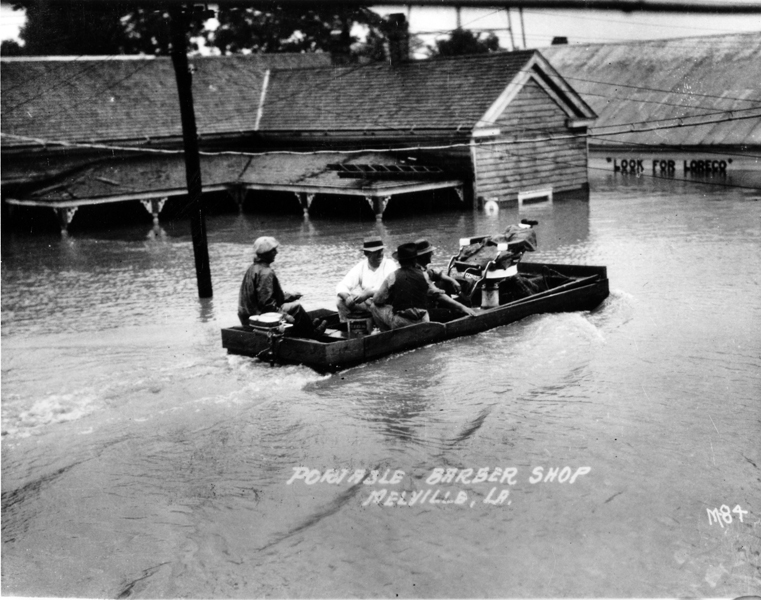
If you go all the way back to the Great Mississippi River Flood of 1927, you can already see how this pattern started. When the river rose and threatened New Orleans, officials made the decision to blow up a levee to redirect the floodwaters in an attempt to “spare the city”. Over 600,000 people were displaced across the region, and Black residents were among those most affected, often left with little support in the aftermath. According to 64 Parishes, the residents that were affected were told they’d get full compensation for the damages done to their homes. When it was all said and done, most of them only received an average of $274 with thousands of residents receiving nothing. NOTHING.
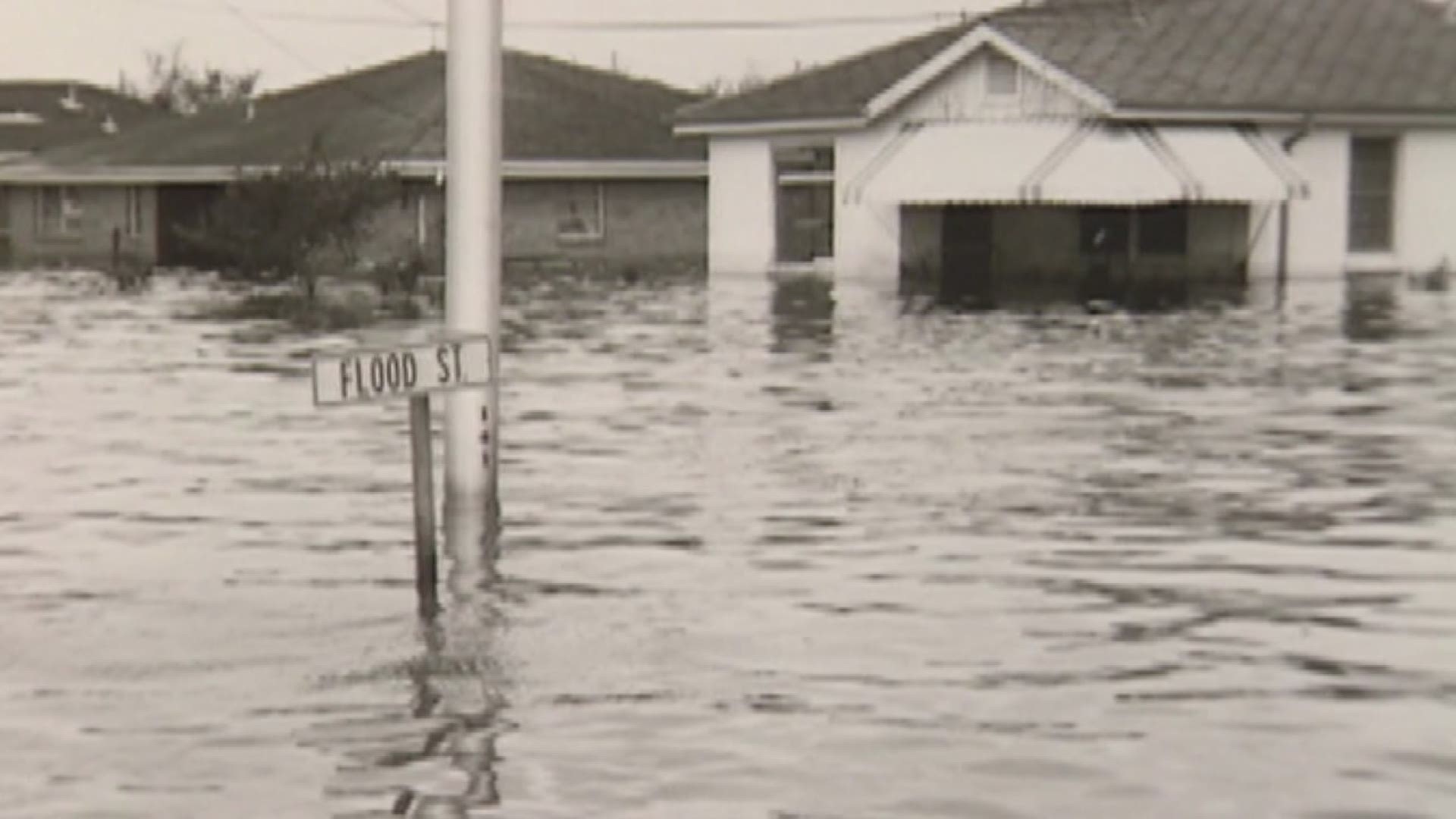
Decades later, Hurricane Betsy revealed the same issues. The levees failed, neighborhoods flooded, and once again, the damage didn’t fall evenly. For many of the residents of the Lower Ninth Ward, Hurricane Betsy was never seen as just a natural disaster. The destruction felt deeply tied to human decisions — choices made by those in power that left their community more vulnerable than others. In the years following the Civil Rights Act and Voting Rights Act, there had been a growing belief that Black communities were beginning to be recognized as partners within a changing America. So when the support they expected never truly came, that sense of partnership became broken. The people of New Orleans had no intention on trusting the very government that was supposed to protect them. What was left was a complicated understanding that the same system they were told to trust had failed them, and in some ways, may have contributed to their suffering. From that point on, survival became something rooted in the strength and care of the community itself.
Then Hurricane Katrina came, and for a lot of people, their entire lives changed forever. But the truth is, Katrina didn’t create any of these problems. Katrina exposed them — the same problems that were revealed during the 1927 flood and Hurricane Betsy. The flooding not only brought significant water into the city, it spread contamination from industrial sites, landfills, and toxic areas into surrounding neighborhoods, turning entire communities into what some researchers have described as a kind of “toxic soup”. Again, residents were left with the same thoughts: Where the hell is our protection? In watching ‘When the Levees Broke’, a documentary put together by the great Spike Lee that I’ve seen a million times, residents stated that they heard a “loud boom” right before the water began rushing into their city and homes and believing that the boom was in fact a bomb. Some residents said that they don’t believe they were blown, though the idea isn’t far fetched. But as the people of New Orleans have a long history of being forgotten about and treated with little respect during these “natural disasters”, one cannot blame any of them for believing that the levees were blown up.
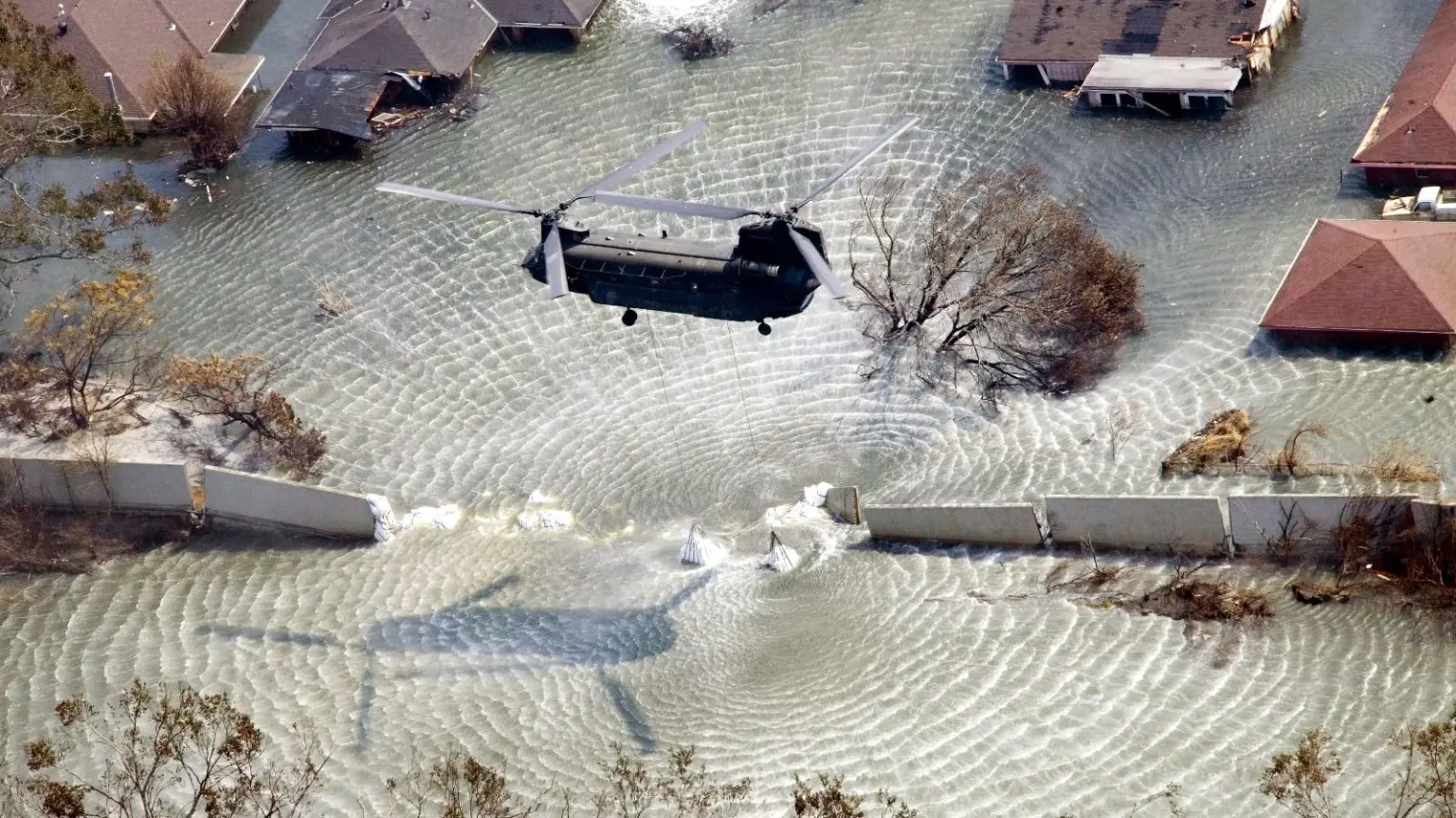
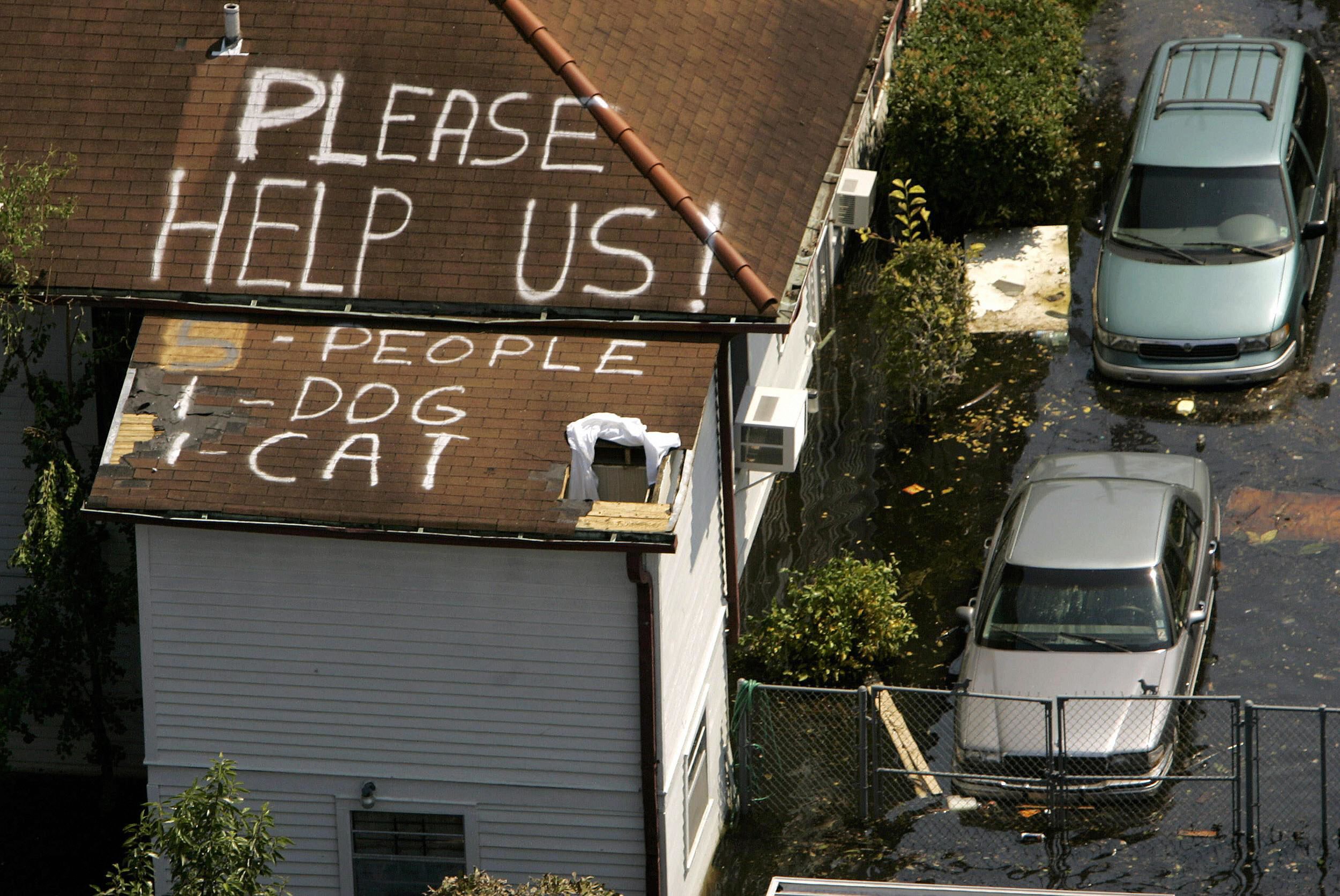
What made all of this even more concerning is that many of the people affected were already living in areas with higher environmental risk before the storm. As environmental justice research shows, this pattern reflects a deeper reality than a coincidence. It points directly to environmental racism — a system where communities of color are more likely to be exposed to pollution and less likely to be protected from it. In the aftermath of Katrina, concerns were raised about whether rebuilding efforts would leave residents returning to contaminated land, raising serious questions about who was truly being protected in the recovery process.
Even when funding is allocated and improvements are promised, the reality on the ground often reflects something different, as it usually does. Billions of dollars have been invested into drainage and infrastructure in New Orleans, yet many residents still deal with flooding during routine rainstorms. According to the Bureau of Governmental Research , the city’s drainage system continues to struggle with outdated infrastructure, maintenance issues, and long standing design issues. In some cases, the very systems meant to remove water have contributed to the land collapsing, causing the ground to sink and infrastructure to weaken over time.
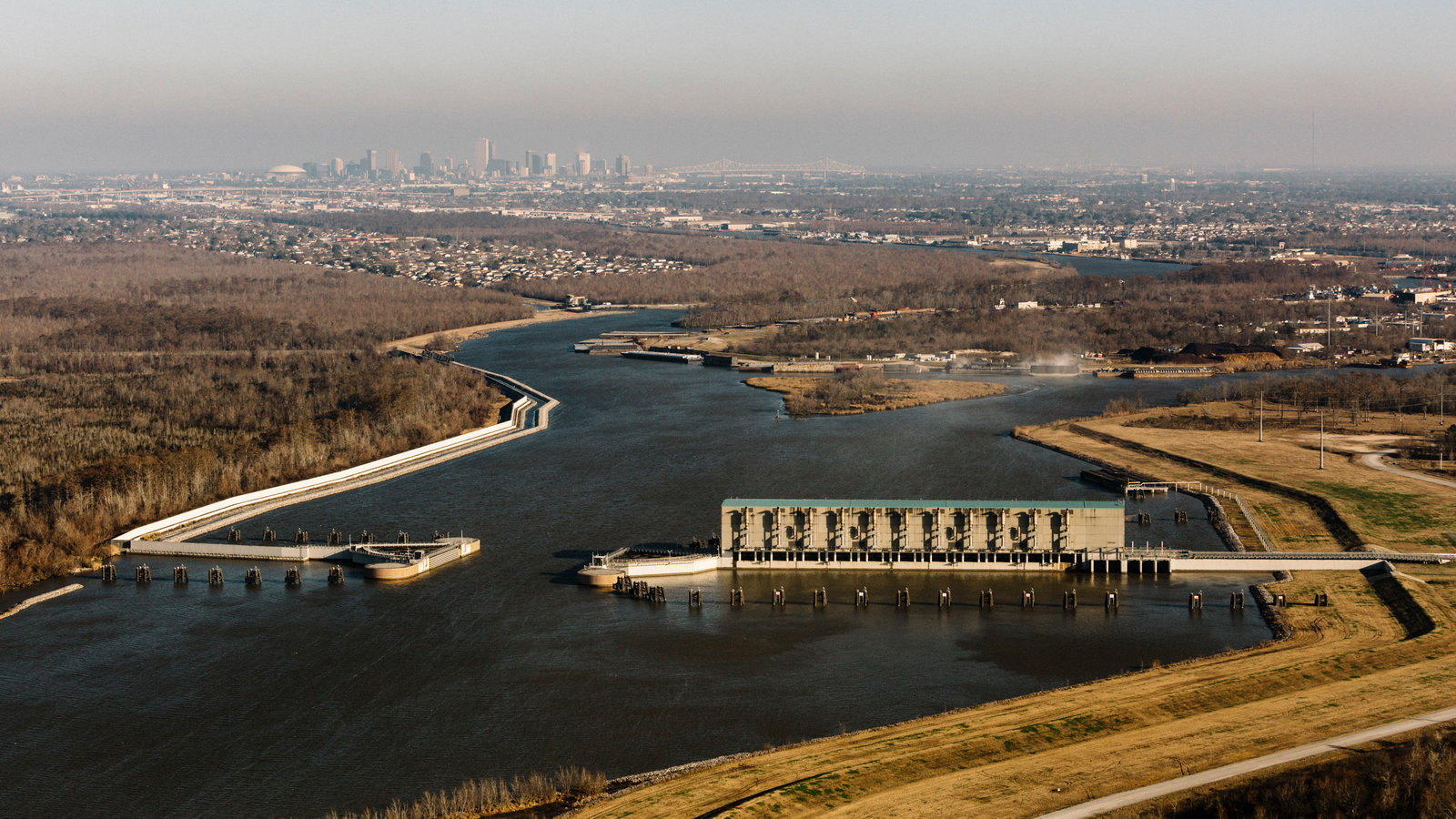
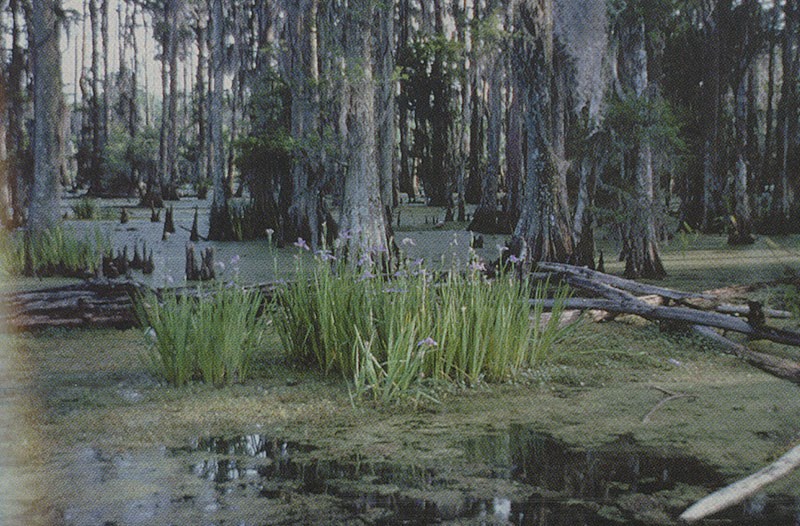
But while we’re discussing the billions being invested, we cannot talk about that without bringing up a core issue: the wetlands. These natural barriers were never meant to be replaced, yet decisions over time have stripped them away, leaving the city more exposed than ever. The construction of levees along the Mississippi River has cut off the flow of sediment that once rebuilt and sustained these wetlands naturally. On top of that, oil and gas development has carved thousands of canals into the marshes, allowing saltwater to creep in and destroy the land from within. What was once a strong, living buffer between the Gulf and our communities is now rapidly disappearing, and with it, a level of protection that no amount of concrete can fully replace.
So the question becomes, is the government investing these billions into the infrastructure to make it seem as if something is being done while simultaneously drowning the city by destroying the wetlands? Or do they truly think these investments will actually hold up and they are doing the city a service? Questions that are needing answers.
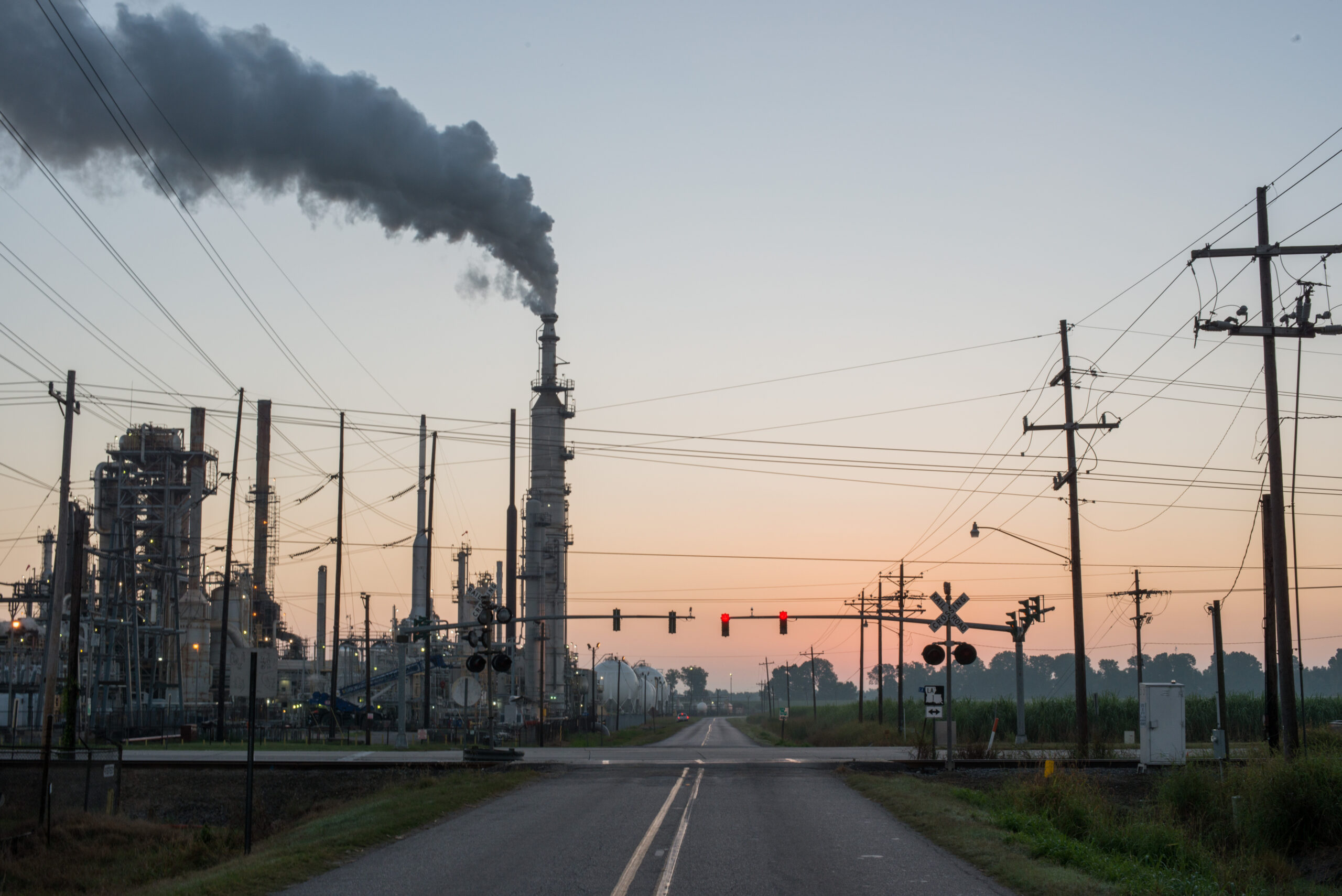
And then there’s what’s happening along the Mississippi River today — what people call Cancer Alley. Stretching between Baton Rouge and New Orleans, this corridor is home to nearly 200 “petrochemical plants” placed alongside residential communities according to research done by Johns Hopkins Bloomberg School of Public Health. People living there are exposed to pollution in the air, water, and soil, with higher rates of cancer, respiratory illness, and other serious health issues. Human Rights Watch has described this region as a “sacrifice zone,” where the health of residents is traded for industrial development. And what boggles my mind the most about this is that this has been known for years, yet it continues. Again, WHERE THE HELL IS THE PROTECTION?
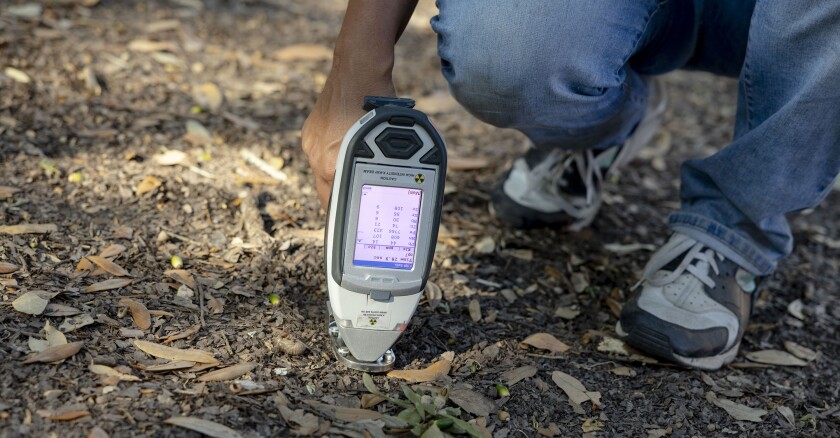
At the same time, harm doesn’t always have to show up immediately the way you may think. It can start slowly without you even realizing it — like lead in the soil of playgrounds where kids are supposed to be safe. Recent testing across more than 80 public parks in New Orleans found that about half had unsafe levels of lead, exceeding federal safety thresholds according to KFF Health News. There is no safe level of lead exposure for children, and even small amounts can impact brain development, behavior, and long term health. That means something as simple as playing outside can carry consequences that last far beyond childhood. Is that supposed to be okay? Like, exactly what are we doing here to protect the people of New Orleans? And have they ever really been protected? As you can see, this far into the essay, the protection has never really been there. It’s disheartening.
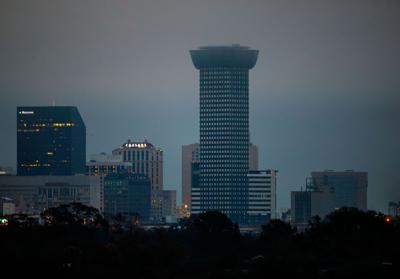
Even the buildings in New Orleans reflect the issue with toxicity. The Plaza Tower downtown has been sitting empty for years because of toxic conditions inside — mold, asbestos, and other hazards that make it unsafe to occupy. It’s been left there long enough to become part of the city’s landscape, reminding us of what happens when environmental risk isn’t addressed with the type of urgency it should be addressed with. Nola.com came out with an article in 2025 stating that there may be some plans to get rid of the tower. Let’s see if that actually happens.
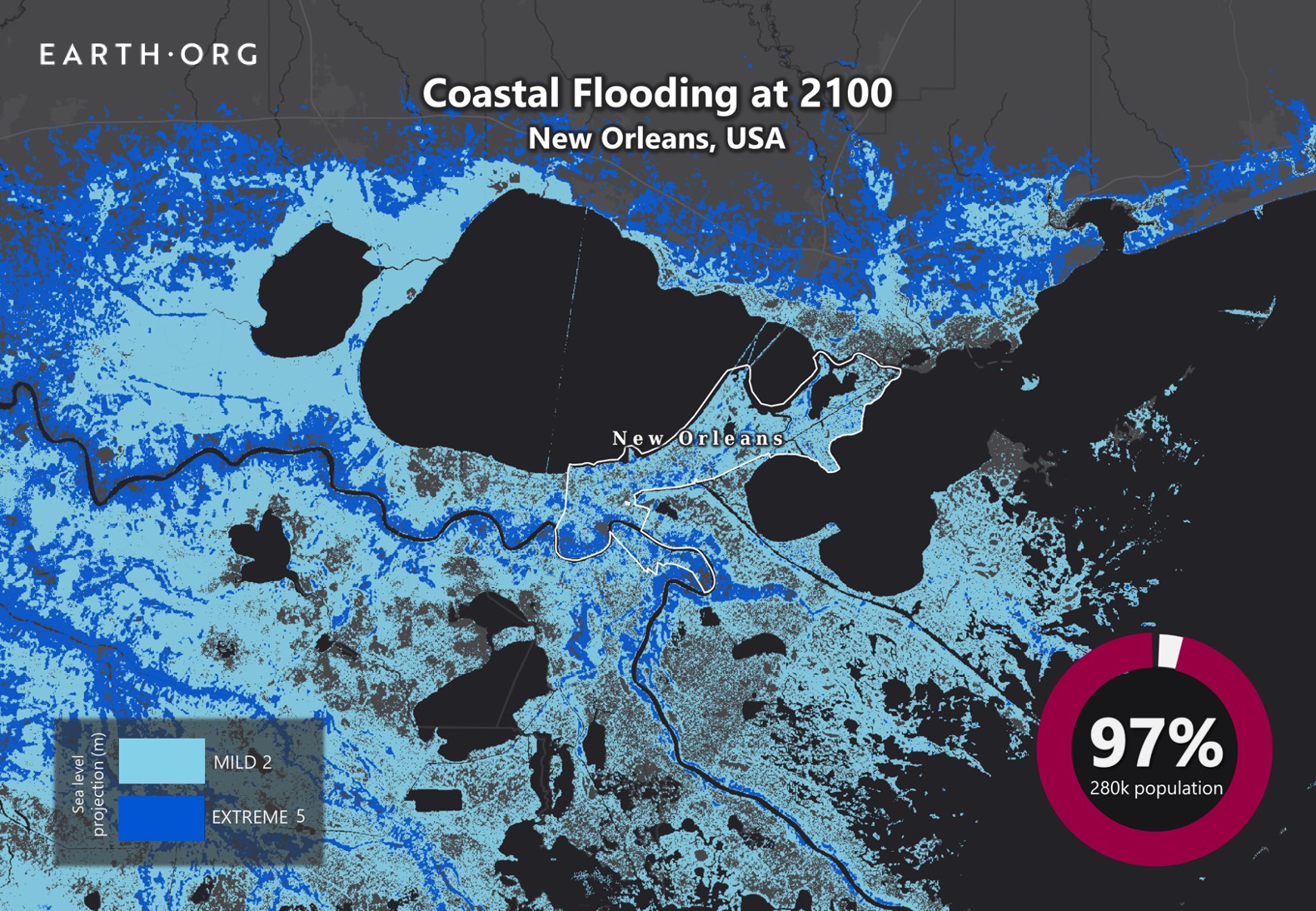
And now, we’re sitting here looking at the future and it’s extremely hard to ignore what’s coming — especially since I am also a resident of Louisiana now. Rising sea levels and increased flooding are putting more than 1,700 industrial sites in Louisiana at risk of releasing toxic materials into surrounding communities according to WWNO. These sites are often located near the same neighborhoods that have already faced generations of environmental exposure. So the risk at this point is just building on top of itself.
That’s why this conversation is so important to me, and so many residents of New Orleans and Southern Louisiana. Because when you really look at it, environmental injustice in New Orleans goes beyond just one storm, one policy, or one single moment in time. It’s a cycle and an undeniable pattern — and at the center of it is the same question over and over again: who is being protected, and who is being asked to carry the weight of everything else?
I love this city. That’s why I wrote this piece.
Because loving New Orleans cannot stop at the celebrations and amazing food. We have to pay attention to what’s happening beneath the surface and being honest about it. It’s about recognizing that the same communities shouldn’t keep being the ones exposed, over and over again, while progress moves forward around them. We have to continue asking the harder questions: where does all of the money from tourism really go? Why are we not ensuring that our children aren’t playing on parks filled with lead? Or toxic buildings aren’t sitting in the middle of the city? And the list goes on.
At some point, we have to start calling it what it is — Environmental Injustice.
Thanks for coming to my TED Talk.