Gil Scott-Heron Knew The Cost Of Progress
The data centers are going to tip the iceberg -- and nobody in positions of power give a fuck.

“When it comes to people’s safety, money wins out every time.” - Gil Scott-Heron.
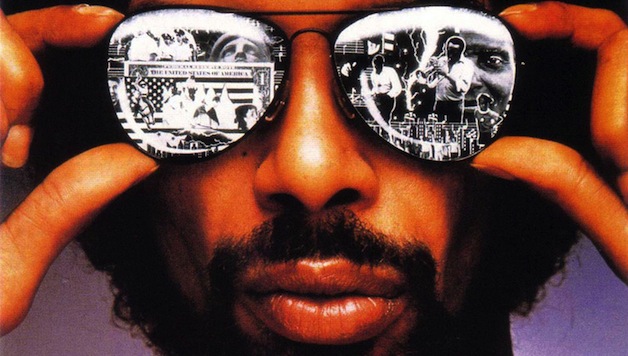
The first time I heard We Almost Lost Detroit, I understood the lyrics, but I was more focused on the melody and how it made me feel. It was a bit somber, but it sounded good and I loved vibing out to it without really understanding the weight of the song and what he was saying.
If you’ve never heard it, go listen to it first. The song hits differently once you know the story behind it.
The song was inspired by a real event that happened on October 5, 1966, at the Enrico Fermi Nuclear Generating Station—better known as Fermi 1—located about 30 miles south of Detroit.
Now, Fermi 1 wasn’t necessarily your average power plant according to the research I’ve been doing on it. It was an experimental nuclear reactor called a “fast breeder reactor.” The idea sounded revolutionary at the time: a reactor that could actually create more fuel than it used. It was being promoted as part of the future of energy, a bold new technology that would help power the modern world. (Sounds familiar doesn’t it? Mhmm, walk with me!)
During a routine power increase, a small piece of material inside the reactor blocked the flow of coolant to part of the reactor core. Without enough cooling, sections of the nuclear fuel began to overheat and partially melt. Operators were able to shut the reactor down before the situation became catastrophic, and no dangerous levels of radiation were released into the surrounding community (so they say).
So here’s the thing though, the weight of this is about what could’ve happened more than what actually happened. Detroit was one of the largest cities in America at the time, and people starting realizing that highly experimental technology was operating within a close proximity of millions of people. The incident raised uncomfortable questions about the safety of the community and what honestly starts to happen when society rushes to embrace a new technology before they even fully understanding its risks (hello, sound familiar!?).
That’s the heart of Almost Lost Detroit. Which brings me to the heart of this essay.
The song is about trust, right? It’s about ordinary people being told that everything is safe, only to discover that things may have been much closer to disaster than they realized. That to me is why the song feels so relevant right now.
What exactly do the people in power think is going to happen to the community with all of the data centers that are popping up like popcorn? Quite frankly, I don’t think they give a rats ass. But I do. And so should you.
AI data centers aren’t nuclear reactors, but that’s not the comparison I’m trying to make. The comparison is the moment we’re living through, again.
In the 1960s, nuclear power was sold as the future. Today, artificial intelligence is being sold as the future. Back then, massive infrastructure projects were built to support a “technological revolution”. Today, tech companies are racing to build enormous AI data centers that require insane amounts of electricity, water, and resources. HEAVY on the electricity and water!
We’re once again being sold the bullshit about innovation, growth, efficiency, and progress. But, on the flip side, we also hearing concerns about environmental impacts, energy demand, corporate power, and consequences that may not fully reveal themselves for some years. As much as I disdain social media and where its been heading the last decade, I can’t help but to give credit where its due. Social media closes that gap between the people and the stories that go untold.
There are people speaking out about this and they are speaking loudly. Even some of the news stations are covering the impacts of what these data centers are doing to the community. Imagine that. Actually reporting on what matters — somebody pinch me!
Investigative journalist are doing their job — seeking out families and reporting on their struggles as they attempt to navigate living in a town that is being directly effected by the data centers.
According to reporter Jon Gorey of the Lincoln Institute of Land Policy, the fast expansion of AI-powered data centers is creating concerns that I feel everyone should be speaking out about. These facilities require enormous amounts of electricity, water, and land to operate. Some large data centers can consume up to 5 million gallons of water per day — almost the same amount used by a city of 50,000 people. LIKE?????? Let’s be so for real.
The energy demands of it all is just as bad. While the traditional data centers already consume as much electricity as tens of thousands of homes, apparently the newer AI-focused facilities can require enough power to compete with the energy usage of more than 100,000 households. And as artificial intelligence continues to expand and rear its head, experts are projecting that data centers could account for between 6.7% and 12% of all U.S. electricity consumption by 2028.
2028! Let that sink in. That’s literally a year and a half away.
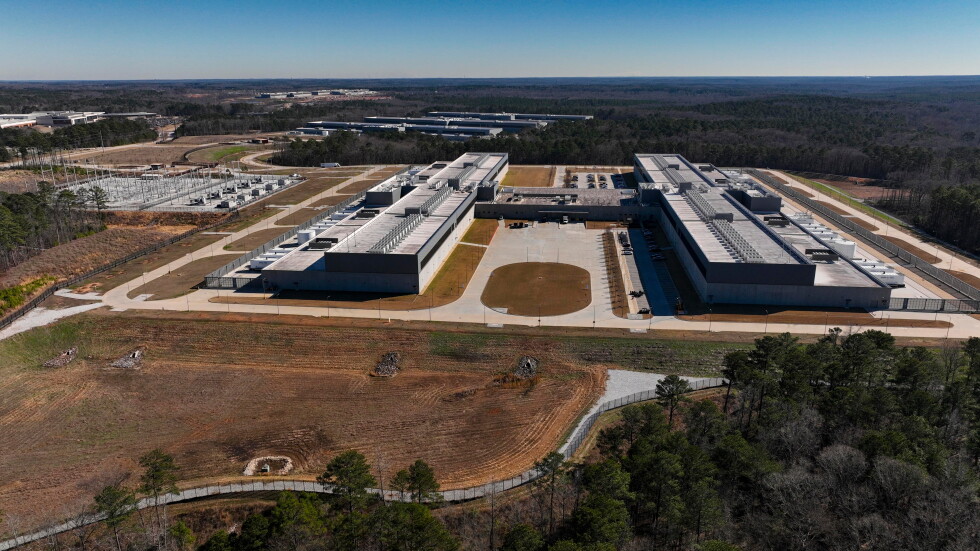
What’s even crazier to me is that data centers often occupy hundreds of acres and are quickly being built in communities where land is inexpensive and the infrastructure can be expanded quickly. First of all, why build these centers in communities at all? I watched a video recently where a family’s land was only 400 yards away from where the construction site for a new data center was.
In the video, they showed how weak their water pressure is — barely a stream of water coming out of their kitchen faucet. The lights from the data center at night are so bright that it lights up the inside of their entire home. They even showed a video where the dust from the construction was so bad that it looked like a dust storm was taking place outside of their front door. Even their electric bill skyrocketed.
In the same video, the journalist goes and speaks with Niki Vanderslice — the President & CEO of Fayette County Development Authority. She goes on to speak about be benefits of the center in their community. Saying that the specific property that the data center is sitting on paid 1.3 million dollars in property taxes in 2024 which in turn brought in $760,000 to their local board of education.
Do you see what I see? Yep.
“When it comes to people’s safety, money wins out every time.”
We are heading down a dark road, ladies and gentlemen. And I can’t help but think that this time, the explosion will be felt by the entire nation. In a lot of ways, it already is.
Thanks for reading.