Origins of the French Quarter in New Orleans
Let's take a look at the history of the French Quarter. Just in time for French Quarter Fest 2026

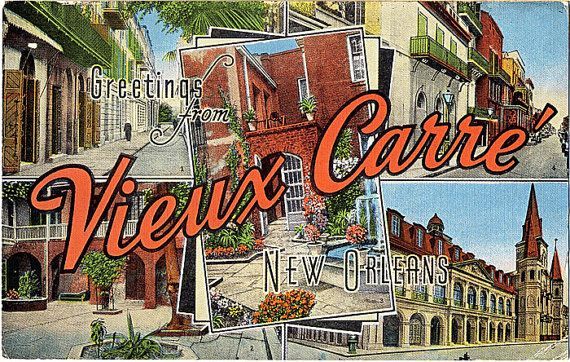
The French Quarter is one of the most well-known parts of New Orleans, and for good reason. There’s a ton of culture packed into it, and the energy of the city really shows there, big time. When most people think about the Quarter, though, their minds go straight to Bourbon Street—loud music, big crowds, flashes of purple, green, and gold, drinks everywhere, and people constantly moving. It’s one of the most recognizable images of New Orleans. Over time, that version of the French Quarter has kind of taken over the narrative—not only just of the neighborhood itself, but of the whole city. It’s how a lot of visitors picture New Orleans before they even get there. But there’s way more to the Quarter than that. To really understand it, you have to look at where it all started.
The French Quarter was founded in 1718 by Jean-Baptiste Le Moyne de Bienville and was originally called the Vieux Carré, or “Old Square.” It was the first part of what would eventually become New Orleans. Its location along the Mississippi River made it an important spot early on, especially for trade and travel, with people and goods constantly moving through the area. Back then, the neighborhood followed a French-style layout, with a grid pattern and mostly wooden buildings.
But a lot of that original version didn’t last.
In 1788, a massive fire tore through the French Quarter and destroyed most of the buildings in just a few hours. Then, in 1794, another fire hit and caused even more damage. These two events completely changed the look and future of the neighborhood.
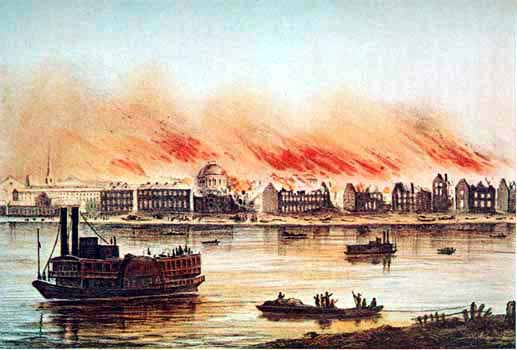
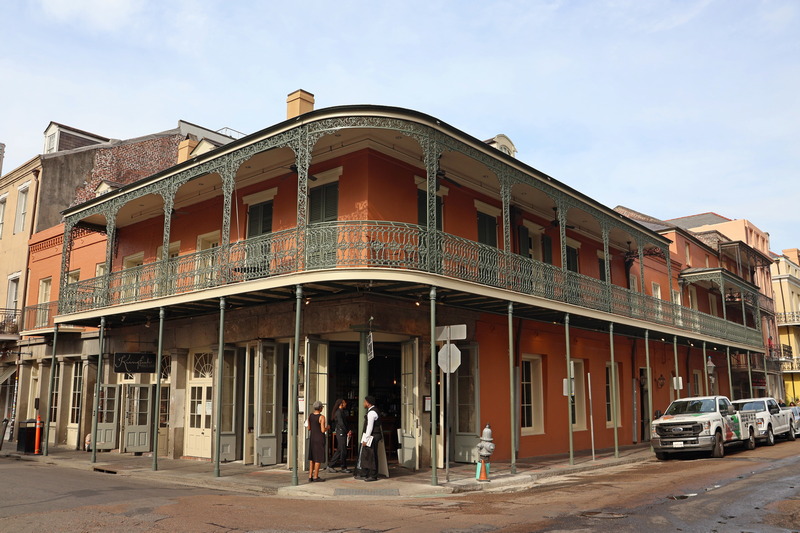
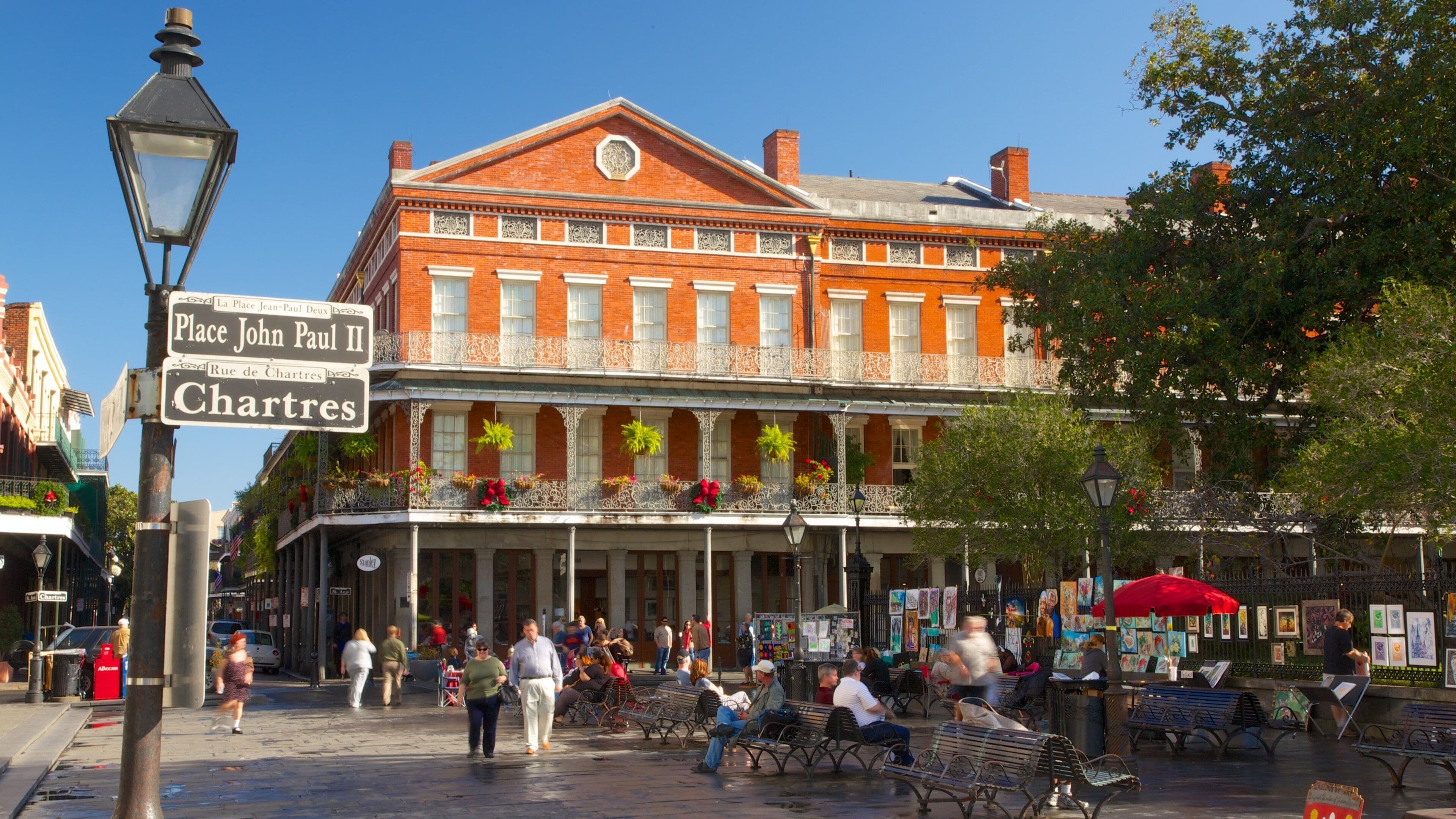
At the time, New Orleans was under Spanish rule, so rebuilding the city fell to them. Instead of recreating the old French wooden structures, they made changes that would last longer and better handle the climate. Buildings were constructed with brick instead of wood, and features like courtyards, thick walls, and archways became more common.
This is also when the iconic iron balconies started to define the look of the Quarter. So even though it’s called the French Quarter, a lot of what people see today actually comes from Spanish influence.
As time went on, the neighborhood kept evolving. Different cultures—especially African, Caribbean, and Creole communities—played a huge role in shaping what the Quarter became. Their influence can still be seen today in the music, food, language, and overall feel of the area. It’s a big part of what makes New Orleans stand out from anywhere else in the country. One of the most beautiful, culturally rich places you’ll ever step foot in.
Even as the city grew beyond the Quarter, this place stayed at the heart of it all. It became a place for music, art, and everyday life. While Bourbon Street became the center of nightlife and tourism, it’s really just one small piece of a much bigger picture. That’s why the magic of New Orleans isn’t just in one street—it’s on ever corner of the city.
Today, the French Quarter is one of the oldest continuously lived-in neighborhoods in the United States. Its streets, buildings, and courtyards all tell a story of change, survival, and cultural mix. You can see pieces of history everywhere if you know what to look for. The French Quarter is more than what you see on the surface. It’s a place shaped by history, different cultures, and the people who have called it home for generations.
French Quarter Fest
So, what exactly started the French Quarter Fest?
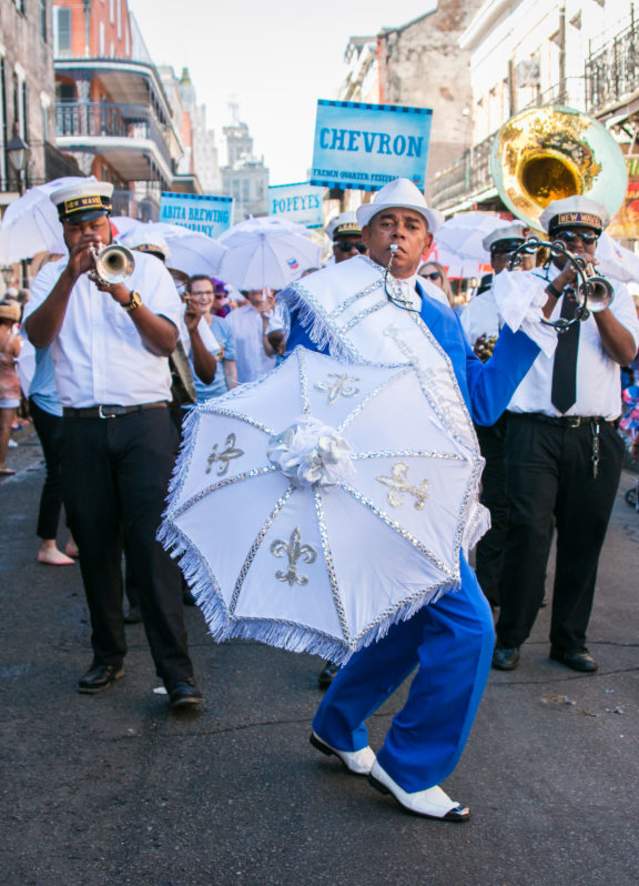
French Quarter Festival got its start back in 1984 as a way to celebrate and bring new energy to New Orleans’ historic French Quarter. At the time, it was really about getting locals to reconnect with the neighborhood and appreciate what made it so special. Over the years, it caught on and turned into a tradition people look forward to every year. What began as a small local event has grown into one of the biggest free music festivals in the country, bringing in huge crowds each year. With all the live music, amazing food, and local culture, it’s become one of the best ways to experience the true vibe of New Orleans—for both visitors and the people who call the city home.
If you ever have the opportunity to attend this great event, please! Make your way down to New Orleans for a weekend of fun, food and culture.